




Growing Strawberries and How to Have a Never-Ending Supply
Open up the secrets of growing strawberries and learn how to create a never-ending supply. Get
the best techniques for maximizing your berry harvest
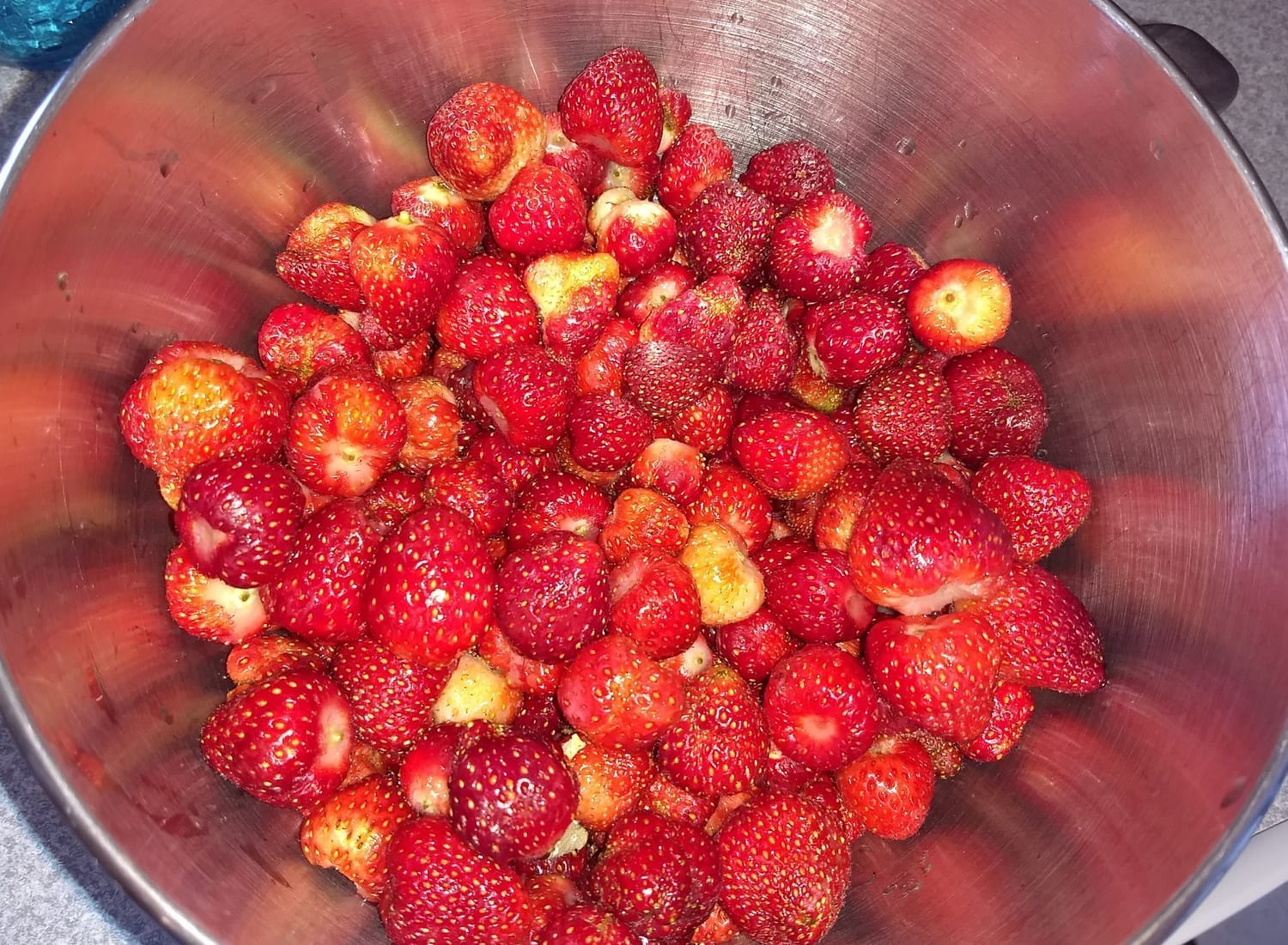
How to Grow Strawberries: Your Sweet Guide to a Never-Ending Harvest
So, you're thinking about growing strawberries? Great choice! They're sweet, juicy, and surprisingly easy to grow once you get the hang of it. Whether you're working with a big garden bed or just a few pots on the patio, strawberries are the kind of plant that keeps on giving—literally!
Strawberry Types 101: Picking the Right Variety
Before you grab a shovel and start digging, you’ve got to choose your strawberry squad. Not all strawberries grow the same way, so here’s the quick scoop:
June-bearing strawberries give you one big harvest in late spring or early summer.
Everbearing strawberries give you a couple smaller harvests throughout the season.
Day-neutral strawberries are the overachievers—they’ll keep producing as long as the temps stay between 35–85°F.
Want fresh strawberries all season long? Plant a mix of June-bearing and day-neutral varieties. That way, you’ll get the best of both worlds: a big haul and steady snacking berries the rest of the season.
Prep Your Garden Like a Pro
Getting your strawberry patch ready is half the fun—and it’s key to growing healthy, productive plants.
Pick the Perfect Spot
Strawberries love the sun. Aim for at least 6 hours of direct sunlight each day.Test and Tweak Your Soil
They like slightly acidic soil (pH 5.5–6.8), so grab a simple soil test kit and add compost or aged manure to boost nutrients.Think Drainage
Strawberries hate soggy roots. If your soil is heavy or clay-like, build raised beds or mounds to help water drain better.
Planting Time! Let’s Get Those Strawberries in the Ground
Here’s how to get your plants off to a strong start:
Plant early in spring, once the soil can be worked.
Space them out—about 18 inches apart, with 4 feet between rows so runners have room to spread.
Don’t bury the crown (where the leaves meet the roots). Keep it level with the soil.
Water thoroughly after planting, and keep the soil moist—but not soggy.
Strawberry Plant Care: Keep ‘Em Happy and Fruitful
Want bigger, juicier berries? Here’s how to take care of your strawberry plants like a gardening rockstar:
Mulch is your best friend
Use straw or wood chips around the plants to hold in moisture, keep weeds down, and prevent dirt from splashing onto your fruit.Water regularly
Strawberries need about 1 inch of water per week. Water at the base to avoid wet leaves (which can invite disease).Fertilize smart
Feed your plants with a balanced fertilizer after their first fruiting and again in late summer. Don’t go overboard—too much nitrogen = leafy plants and fewer berries.Watch for pests and diseases
Keep an eye out for aphids, slugs, and birds. And if you spot moldy or powdery leaves, take action fast by removing infected plants and improving air circulation.
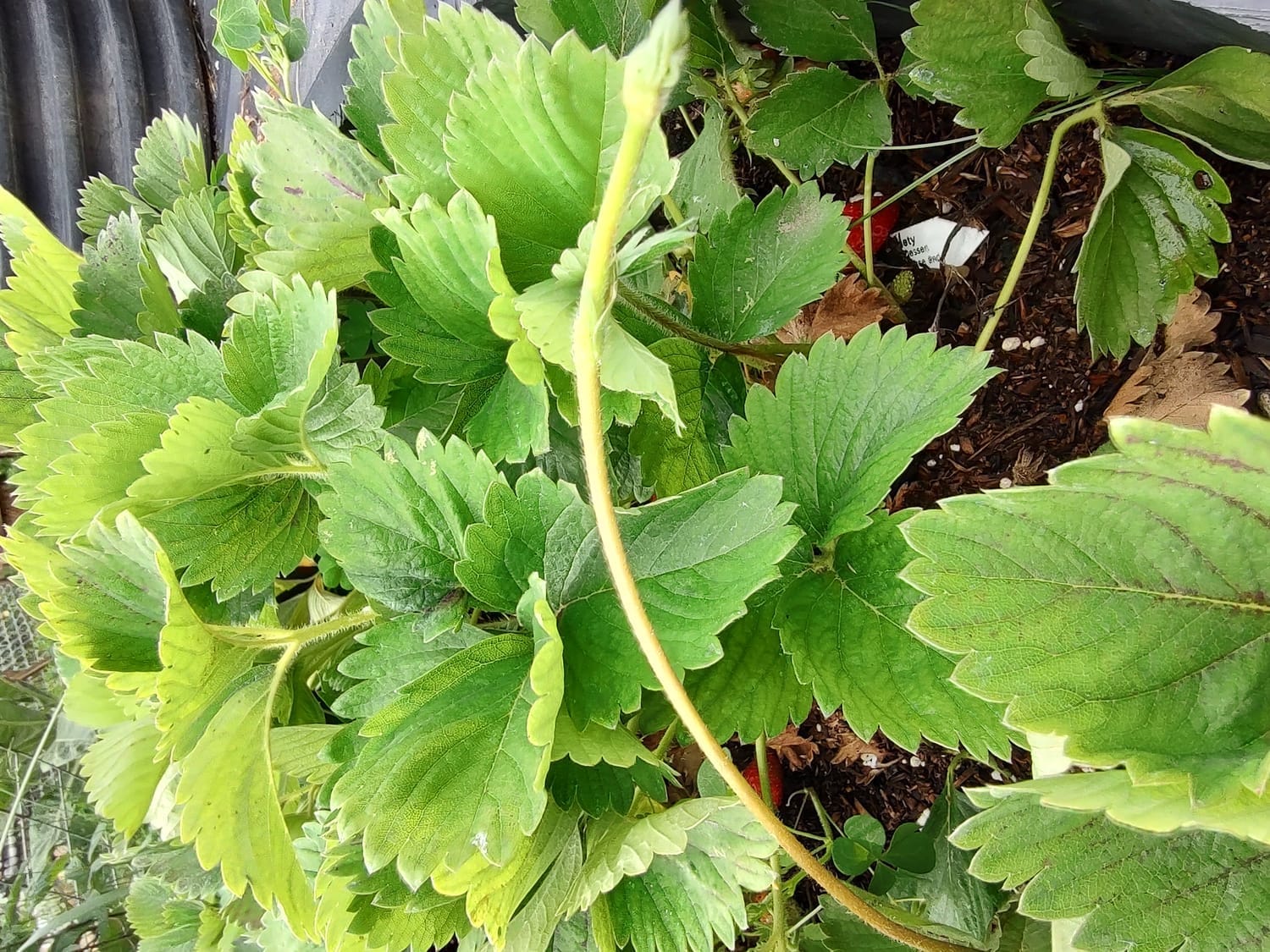
How to Multiply Your Plants with Runners
One of the coolest things about strawberries? They make baby plants all on their own!
After your first harvest, you’ll start to see runners—long stems that grow out from the base. These send down roots and become new plants. To help them along:
Gently press the swollen nodes into the soil.
Use a rock or garden staple to hold them in place.
In about 4–6 weeks, once they’ve rooted, cut the runner from the mother plant and move your new strawberry baby to a new spot.
Just don’t let things get too crowded. Remove extras to keep your patch healthy and productive.
Keeping the Berry Magic Going Year After Year
Want a strawberry patch that keeps giving year after year? A little yearly maintenance goes a long way.
Renovate after harvest
Trim plants down to about 1 inch above the crown and thin them out to avoid overcrowding.Rotate every few years
Strawberries shouldn’t stay in the same spot forever. Rotate your crop every 3 years to avoid soil-borne diseases.Protect them in winter
In colder areas, cover your patch with straw to insulate and protect your plants from freezing temps.
Harvest Time: Let the Snacking Begin!
Your strawberries are ready to pick when they’re fully red and just a little soft to the touch.
Here's how to enjoy them:
Fresh from the garden
Pop them straight into your mouth (after a rinse) or slice them into yogurt or cereal.Freeze ‘em
Wash, hull, and spread them on a baking sheet. Freeze, then toss into a bag for smoothies or desserts later.Bake or can with them
Whip up pies, muffins, or the all-time favorite: strawberry shortcake. Strawberry Jam/Jelly is always a great way to use them and stock up.Toss them in salads or salsas
Try strawberries with spinach and goat cheese—or make a spicy strawberry salsa with lime and jalapeno.
Frequently Asked Strawberry Questions
How long do strawberry plants live?
They produce best for 3–4 years. Use runners to refresh your patch with new plants.
Can I grow strawberries in containers?
Yes! Just use a 12-inch+ pot with good drainage, and water more often.
Do strawberries need full sun?
Absolutely. They need at least 6 hours of sun a day for great fruit production.
How do I stop birds from stealing my berries?
Try bird netting and mesh frames. My chickens always seem to find holes in the garden fence, I like they want to look for bugs but they are so destructive.
What if my plants start to look bad?
Remove any diseased leaves or plants. Improve air circulation and avoid overhead watering to help prevent future issues. Check for bugs and slugs. Cornmeal works well for slugs and snails as a non toxic option sprinkled around plants.
Final Thoughts: Grow Strawberries and Love Every Minute
Being able to grow your own food and know where it comes from is so satisfying, its a skill that is dwindling. With everything that has been going on with our food the last few years there is a resurgence of people wanting to learn so they have more control over what they feed their families, and its a good thing.
Choose the right varieties, prep your space, use runners to expand your patch to cut down costs, and keep up with basic care. Before you know it, you’ll be swimming in strawberries season after season.
Whether you’re a first-time gardener or a backyard pro, strawberries are a sweet, satisfying choice that’ll keep your hands dirty and your snack bowl full.
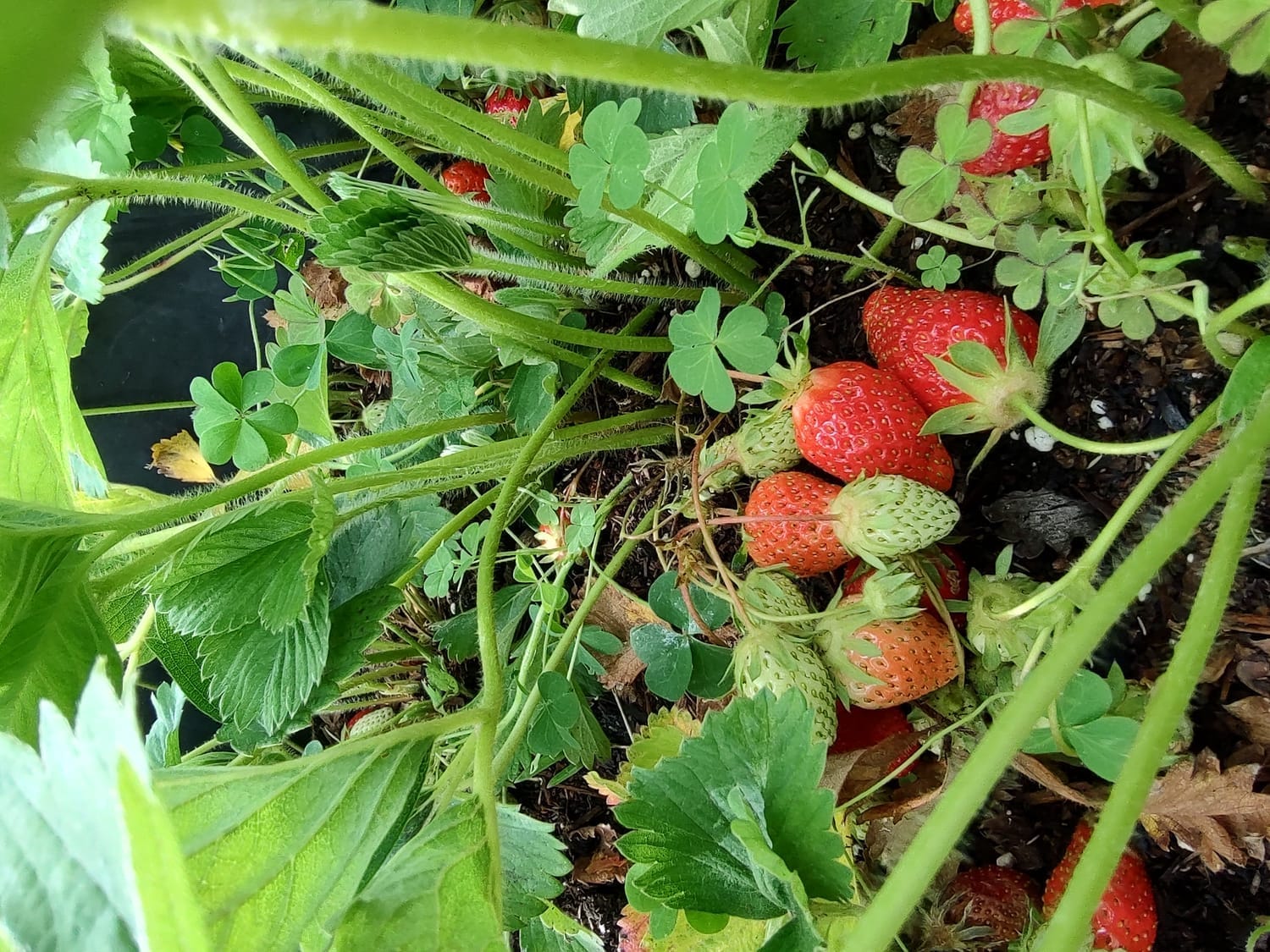
And yes I have not gotten to the strawberries yet to weed or pull dead leaves..I am definitely not the perfect gardener but I still have plenty of strawberries...It just goes to show it doesn't have to be perfect. Around here we call it Linda'ing things lol.
Questions? info@realrural.co


Quick links
Newsletter
Subscribe to the newsletter and stay in the loop! By joining, you acknowledge that you'll receive our newsletter and can opt-out anytime hassle-free.
Created with ©systeme.io